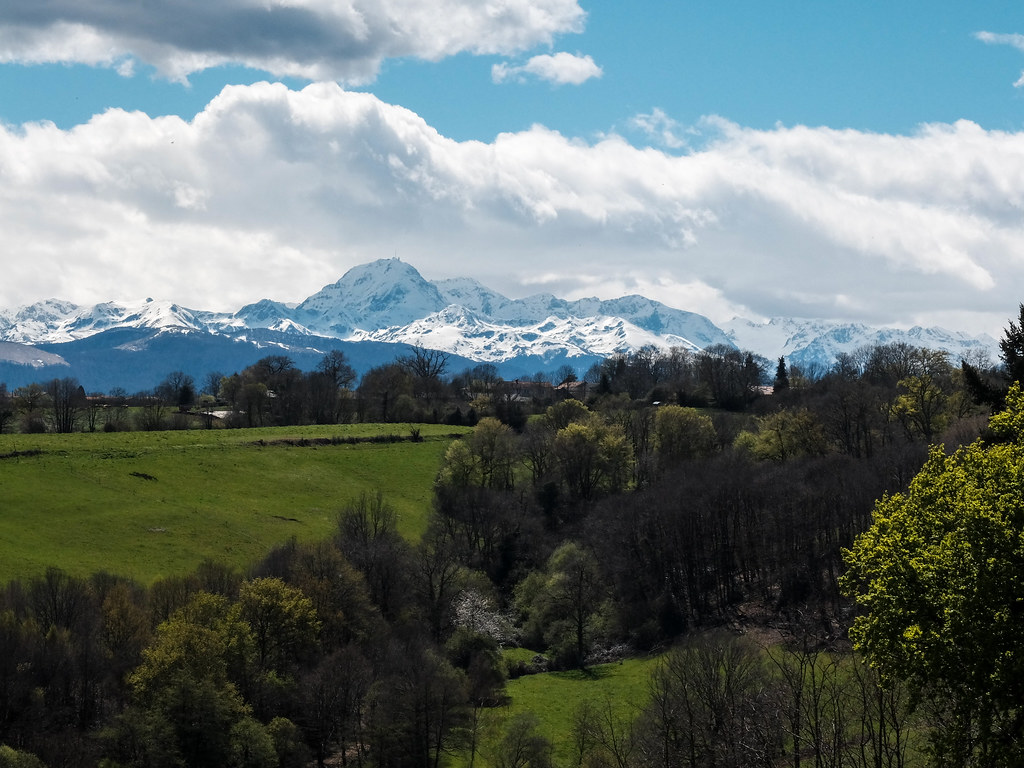
The Pic du Midi de Bigorre rises from the western French Pyrenees to 2,877 meters. From the town of La Mongie, eight kilometers below, a cable car carries visitors to the summit in fifteen minutes. The observatory has stood on the peak since 1878.
Since 2006, the observatory has operated an overnight tourist program. Roughly thirty visitors per night sleep in private rooms on the summit, in the converted former staff residences, between the public closing time of 5 p.m. and the next morning's reopening at 10 a.m.
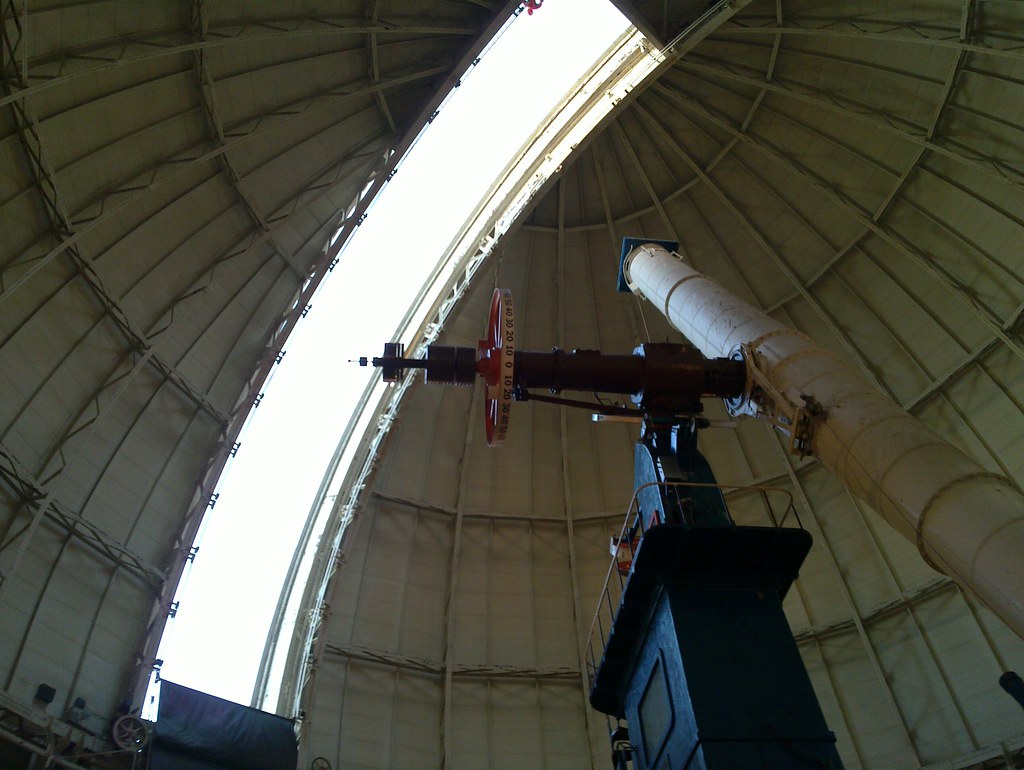
The program funds, in significant part, the observatory's continued scientific operation. The Pic du Midi is owned by the Observatoire Midi-Pyrénées, a research consortium of the University of Toulouse and the CNRS. Its working telescopes include the 2-meter Bernard Lyot and the 60-cm Coronograph, both of which still produce published research.
On the evening of May 16, 2026, the new moon was three nights away. Twenty-seven overnight guests arrived on the 4:30 p.m. cable car, the last upbound run of the day. They were checked in by an observatory staff member named Élodie Tarbes, who has worked the program for nine years.
Dinner was served at 7:15 p.m. in the summit's small dining room. The menu was a tomato salad, duck confit, and a tarte aux pommes. The wine was an inexpensive Madiran from the Tarbes plain visible to the north, when the weather permits.
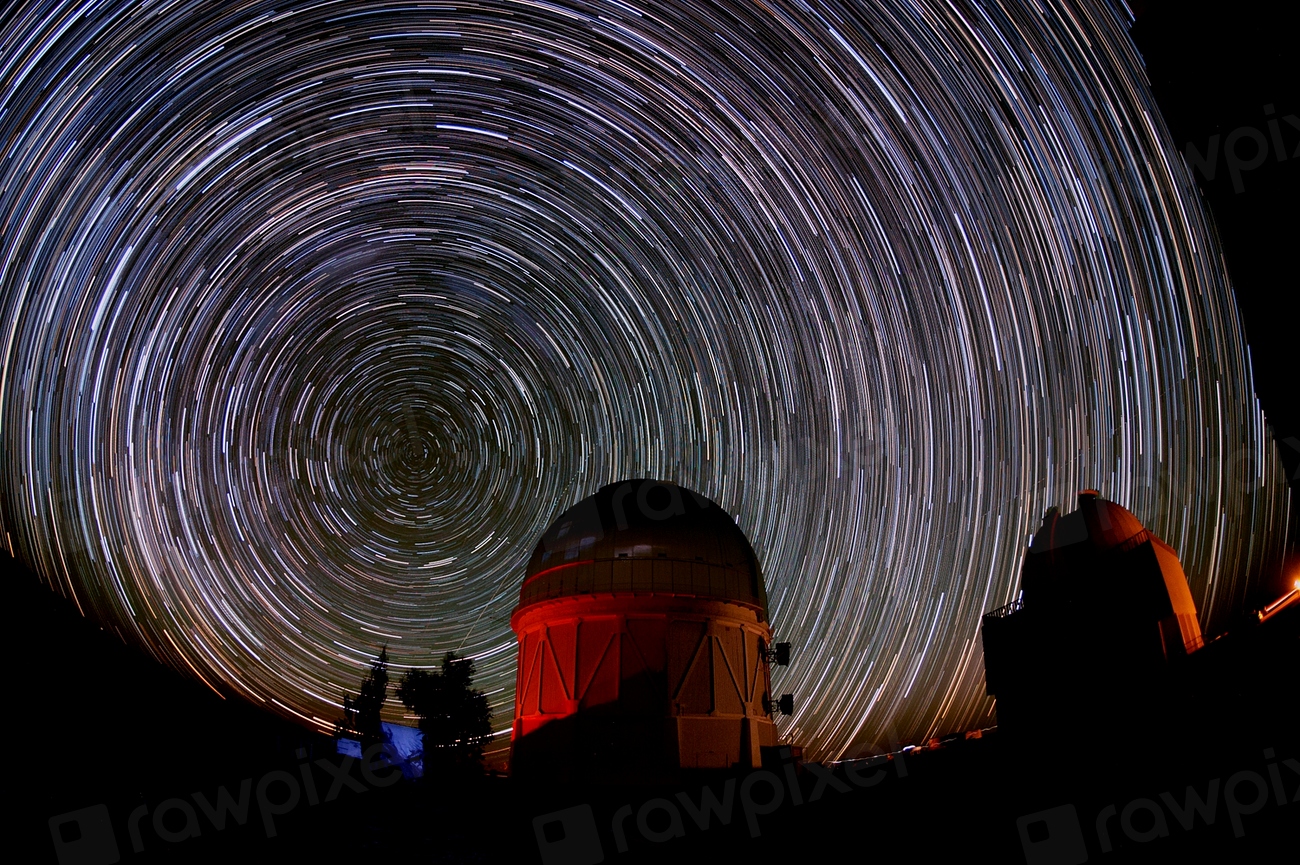
After dinner, an astronomer on the summit staff conducted a one-hour guided sky session on the south observation terrace. The terrace at 2,877 meters, on a clear new-moon night in late spring, is one of the better views of the night sky available to a non-specialist in Western Europe.
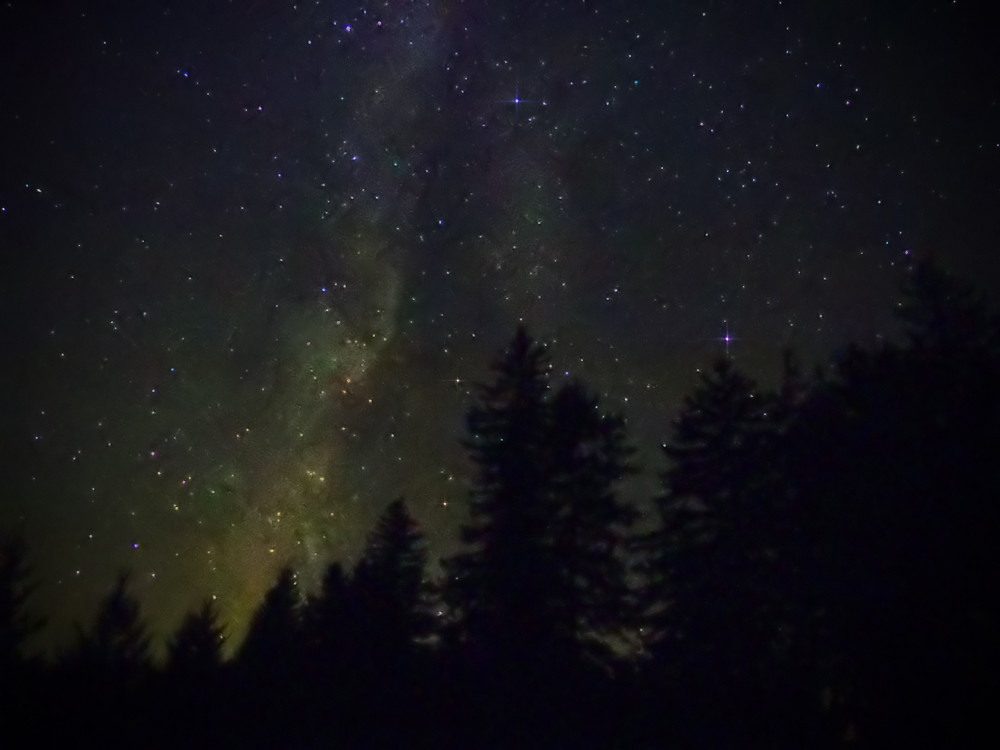
The astronomer that evening was Sylvain Cnudde, who has worked on the Pic since 2008 and runs the public-outreach component of the observatory's program. Cnudde pointed out the Milky Way, rising in the east after sunset, with the structure of the galactic plane visible from Sagittarius through Cygnus.
Light pollution, the constant problem of modern dark-sky observation, is lower at the Pic du Midi than at most European sites. The closest large town is Tarbes, thirty kilometers to the north at population fifty thousand, and Tarbes implemented a municipal lighting ordinance in 2017 that has measurably reduced its skyglow.
The Pic du Midi was certified an International Dark Sky Reserve in December 2013, the first in continental Europe. The reserve covers 251 communes in the surrounding Hautes-Pyrénées and Pyrénées-Atlantiques departments.
Inside the working domes, the night's observing continued independent of the tourist program. The 60-cm Coronograph was running a solar-corona monitoring program for the Université Paul Sabatier, processed daily and contributed to the Solar Coronagraphy Network archive maintained at Toulouse.
The 2-meter Bernard Lyot was queue-scheduled that night for a polarimetric survey of magnetic Ap stars, requested by a research group at the Royal Observatory of Belgium. The principal investigator was not present. The data would be delivered to her institution by 9 a.m. the next morning.
The two observation programs run in parallel with the tourist accommodation because the geometry of the summit allows it. The working domes are on the western buttress. The tourist rooms and observation terraces are on the eastern. The light from the tourist areas is shielded from the working telescopes by the summit ridge itself.
Tourist behavior on the summit is closely supervised. No flashlights white-light. Red headlamps are provided at check-in. No flash photography. The terrace conversations are kept quiet. Most guests, after the structured astronomy session, observe in their own way until midnight or 1 a.m. and then sleep.
The summit rooms are spare. A single or double bed, a small window, a writing desk. Heating is centralized. The hot-water supply is sufficient. The bathroom is shared by two rooms.
Breakfast at 8 a.m. in the dining room was coffee, baguette, butter, three varieties of confiture, and yogurt. The 9 a.m. departing cable car carried fourteen of the previous night's guests down. The remaining thirteen took the late cable cars after the public museum reopened at 10.
The total cost of the overnight stay, including dinner, the astronomy session, breakfast, and the cable-car transfers, runs roughly €430 per person in single occupancy. The program books out months in advance during new-moon weeks.
Critics of the program have argued that mixed tourist-and-research use degrades both. The observatory's response is empirical: the working programs still publish, the visitors leave satisfied, the revenue keeps the cable car and the support staff funded. The system has run for two decades.
Whether it should be a model for other mountain observatories is contested. Mauna Kea, for instance, has explicitly rejected an overnight-stay model for cultural and capacity reasons. Mount Wilson runs a limited overnight program. Pic du Midi remains unusual in the scale and routinization of its tourist component.
Tarbes locked the dining room at 9 a.m. on the morning of May 17 and prepared for the day's first incoming cable car at 10. The previous night's two scientific observation programs had completed without issue. The Milky Way was already invisible against the daylight, as it always is.