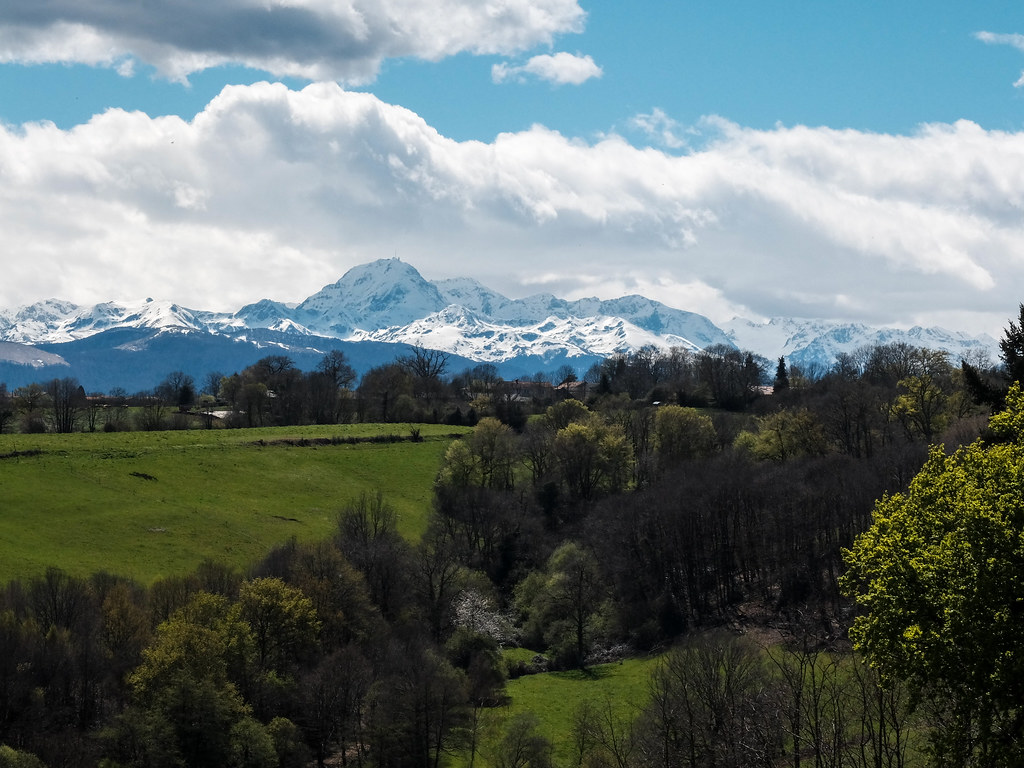
Cerro Tololo Inter-American Observatory rises from the eastern flank of the Elqui Valley in northern Chile, at 2,207 meters, ninety kilometers inland from La Serena. The summit road climbs the last twelve kilometers in switchbacks that the driver counts.
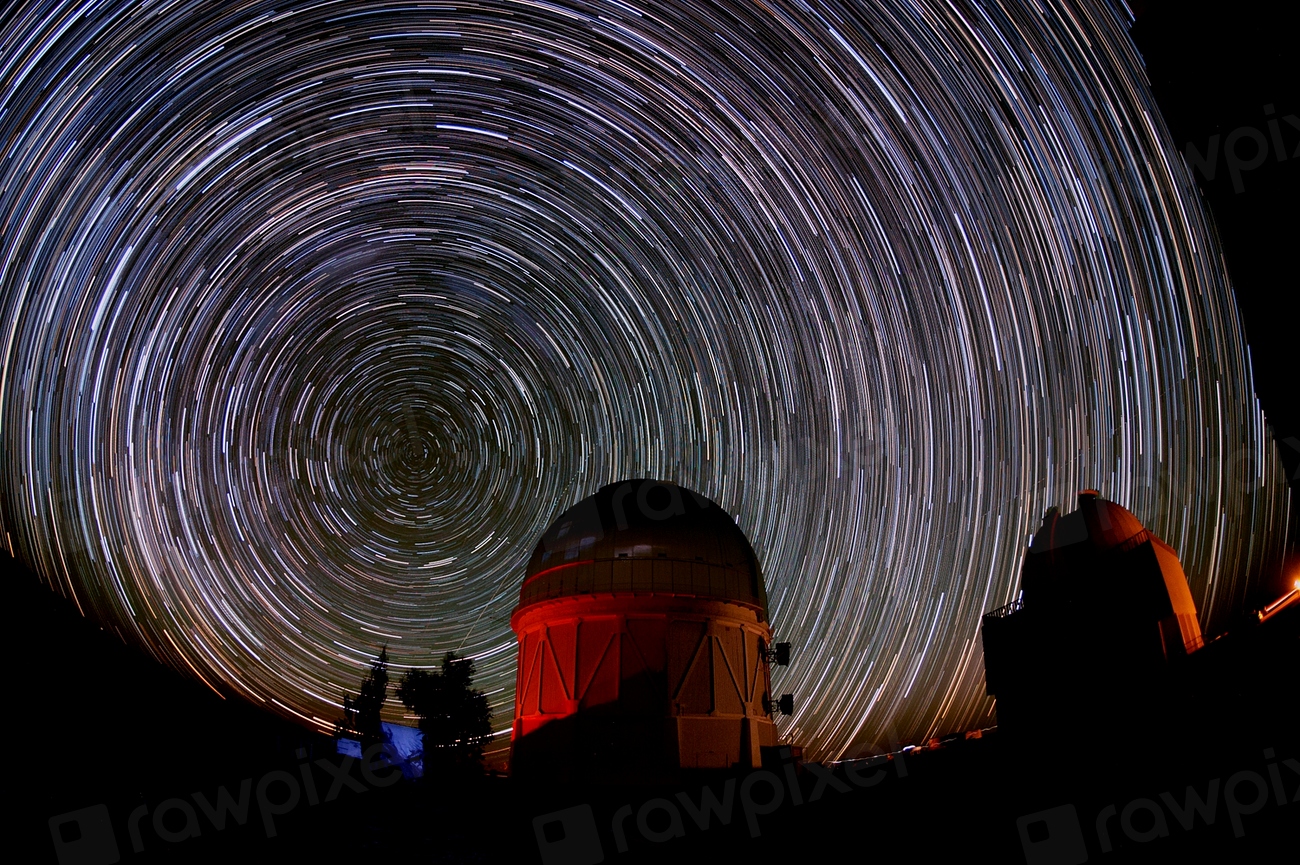
The site has been operating since 1965. It hosts the 4-meter Victor M. Blanco telescope, the instrument that produced the Dark Energy Survey, alongside a constellation of smaller domes that visitors often overlook.
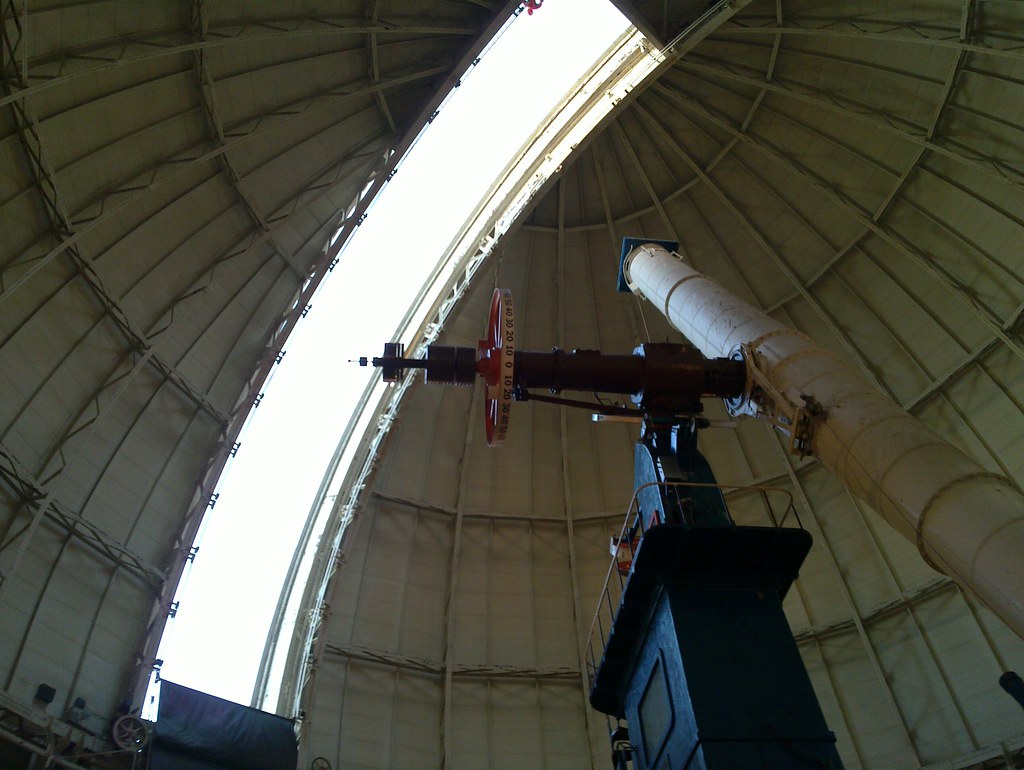
Among those smaller domes, three are still in regular use: the 0.9-meter, the 1.3-meter, and the 1.5-meter SMARTS reflector. They are operated by a consortium of universities and observatories under the Small and Moderate Aperture Research Telescope System, the SMARTS arrangement, which has run in some form since 2003.
On the night of April 28, 2026, the 0.9-meter dome was queued for a graduate student from Universidad Nacional de Córdoba working on the variability of cataclysmic binaries. Her observing run was 4.2 hours of an eight-hour night, time she had requested through the consortium proposal system the previous October.
The student, María Eugenia Aldama, was not on the mountain. She had submitted a target list in standard format, and the queue operator at Cerro Tololo's control room executed it. The data appeared in her university's institutional archive at 9:14 a.m. the next morning.
Queue-scheduled observing is now the standard at Cerro Tololo. Classical visiting astronomers, who once flew in to operate the telescopes themselves, account for under fifteen percent of nights on the small instruments. Queue operations cost less and use clear sky more efficiently.
The 1.3-meter is operated by a different consortium, including Yale and Indiana and Stony Brook universities. It carries a multi-channel imager called ANDICAM, built in 2003, that takes optical and infrared exposures simultaneously through a dichroic beam-splitter.
ANDICAM has been used primarily for gamma-ray burst afterglow photometry and the monitoring of accreting black-hole binaries. The instrument is older than most of the graduate students who request time on it.
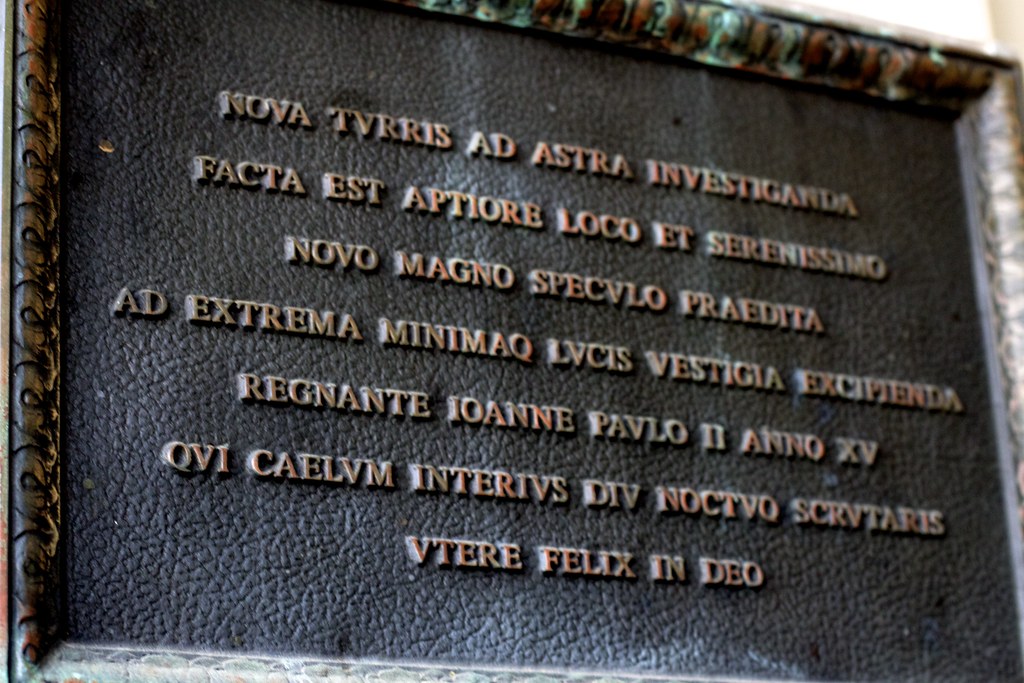
Anibal Valenzuela, the daytime operations engineer for the small telescopes, walked the corridor between the 0.9-meter and the 1.3-meter on the afternoon visit. He pointed out a brass plaque commemorating the dedication of the 0.9-meter dome in 1967. The brass had been polished within the year.
Maintenance is the quiet labor that keeps small telescopes alive. The 0.9-meter's primary mirror was last recoated in November 2024, a procedure that requires removing the mirror from its cell, stripping the old aluminum, and depositing a fresh layer in a vacuum chamber. The recoating takes three working days. The dome was offline for two weeks.
Funding for the small telescopes is perennially uncertain. NSF support for SMARTS was reduced in the 2021 senior review of NOIRLab facilities. The participating universities have absorbed most of the shortfall through institutional contributions. The 1.3-meter survived a closure recommendation in 2023 because a member institution committed to two additional years of operating funds.
Astronomy in Chile is a national priority. The country hosts forty percent of the world's optical and infrared collecting area, and the figure will rise above sixty percent when the Vera Rubin Observatory comes online at Cerro Pachón, the next ridge south of Tololo. Pachón is visible from the Tololo summit, twelve kilometers across the gulf, the new dome white against the brown hillside.
Rubin's first-light operations began in 2025. The 8.4-meter survey instrument will produce roughly twenty terabytes of imaging data per night. By comparison, the 0.9-meter's nightly output is measured in gigabytes.
There is a quiet symmetry, Garcia observed during her own time on the mountain, in the way the new instrument and the small consortium reflectors share the same horizon. One produces a wide survey of the entire visible sky every three nights. The other watches a single eclipsing binary for four hours.
Both kinds of observation produce science. The small-telescope work tends to feed the large surveys with the slow patient monitoring that surveys cannot do, because surveys move on. A cataclysmic binary that flares once a month is invisible to a sky-survey cadence designed to detect supernovae.
On the evening of the visit, Tololo's site monitor recorded seeing of 0.84 arcseconds and humidity at twenty-eight percent. These are routine conditions for the Atacama plateau in shoulder season. The dome shutters opened at twilight without ceremony.
Aldama's observations that night, processed and published in October, identified a new orbital period for V436 Centauri at 89.4 minutes. The paper, in a regional Latin American astronomy journal, ran four pages. The 0.9-meter was the only instrument cited in the methods section.
Valenzuela locked the dome at the end of the night and walked the half-kilometer back to the residencia. The summit's residential building sleeps fourteen. There were six people in residence that night.
The small telescopes at Cerro Tololo are not obsolete. They are doing the kind of patient unglamorous work that astronomical research has always partly consisted of, with budgets that would not pay for a single hour of large-telescope time.
Whether the program survives the next senior review is a question. For now, the domes open most clear nights, and the queue keeps moving.
Filed under