Meteors
The Meteor Camera Network Coming of Age
Anselm Bauer surveys the rapid maturation of amateur all-sky meteor camera networks in Europe and North America, and the modest equipment that puts a useful station in any home observer's garden.
Section
Perseid prep, the Geminids in Vermont, minor showers worth your time, fireballs and where to report them.
Meteors
Anselm Bauer surveys the rapid maturation of amateur all-sky meteor camera networks in Europe and North America, and the modest equipment that puts a useful station in any home observer's garden.
Meteors
Iolanda Ferro describes the surprisingly accessible practice of detecting meteors by their radio reflections — a technique that works in cloud, in daylight, and through the worst light pollution.
Meteors
Cosmo Tate looks back at the great Leonid storms of 1833, 1866, and 1966, and forward to the comparatively quiet shower today's amateur observers will encounter in November.
Meteors
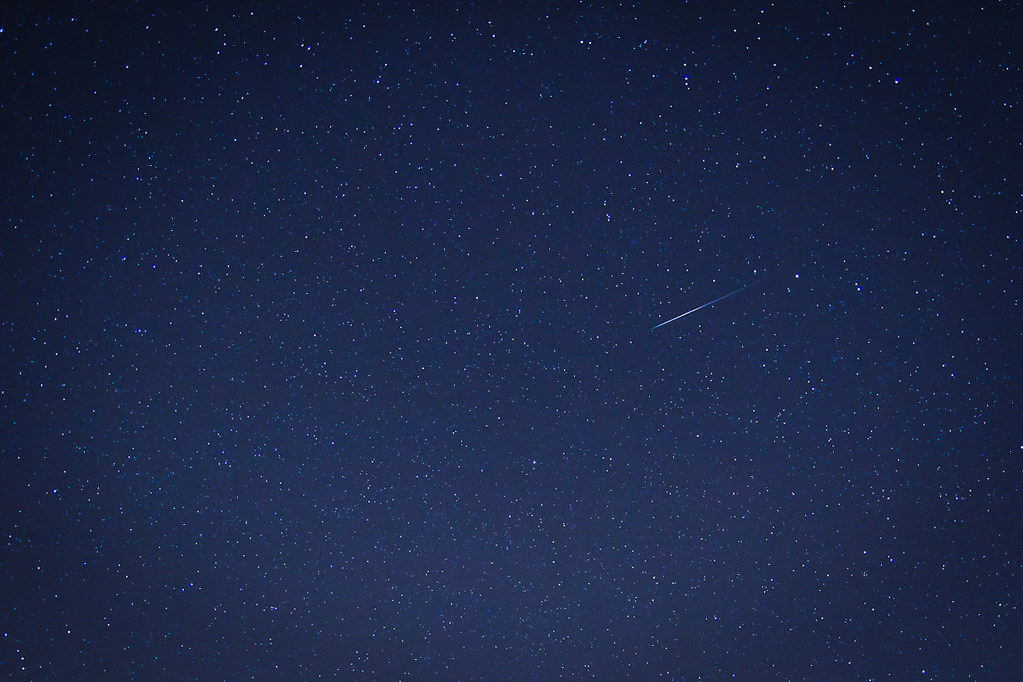
Yael Kahn watches the new year's first shower from the Negev plateau, and finds that its short, sharp peak is its great challenge and its small reward.
Meteors
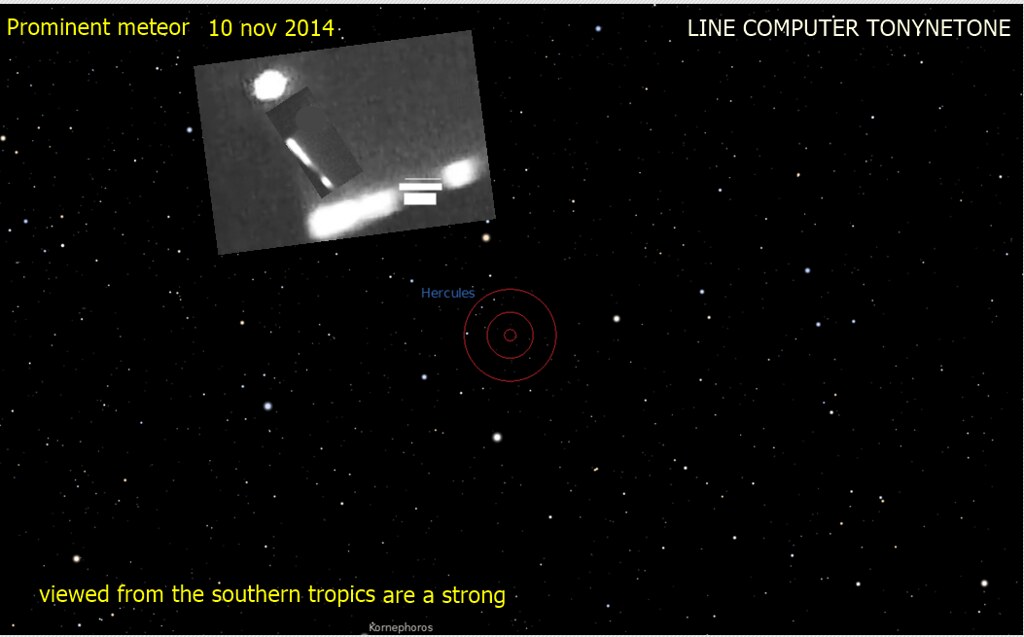
Anselm Bauer walks through the practical mechanics of fireball reporting — what to record in the first ninety seconds, which network to submit to, and why amateur reports matter.
Meteors
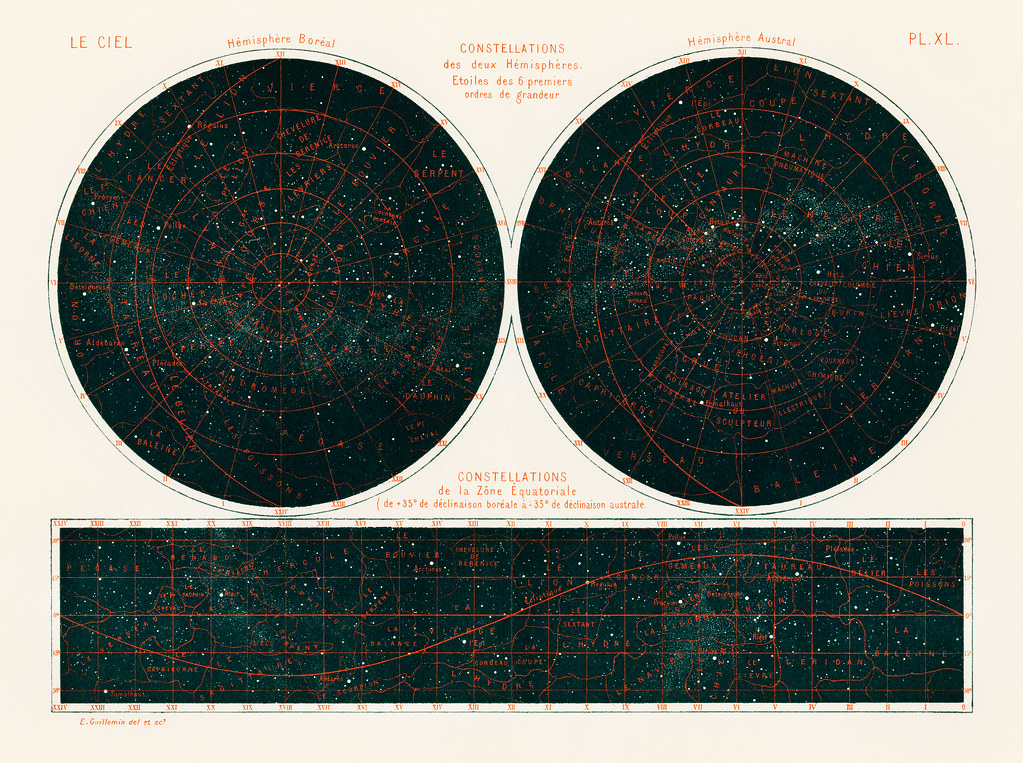
Beatriz Garcia surveys the small annual meteor showers that the casual observer overlooks, and argues that the lower rates are part of their attraction.
Meteors
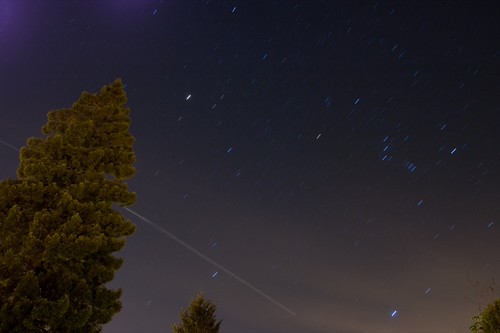
Cosmo Tate spent three nights in December 2025 with an amateur observing group near Craftsbury, Vermont. The Geminids did not disappoint, and the cold was instructive.
Meteors
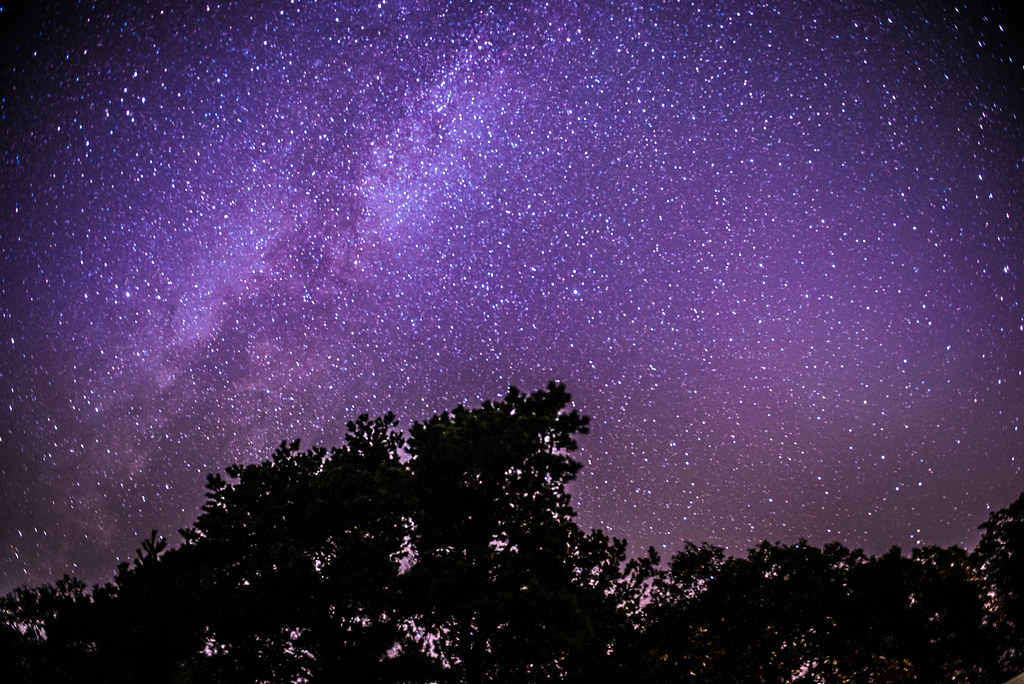
Iolanda Ferro walks the home observer through the small decisions — chair, blanket, chart, timing — that make the August Perseid maximum worth the lost sleep.