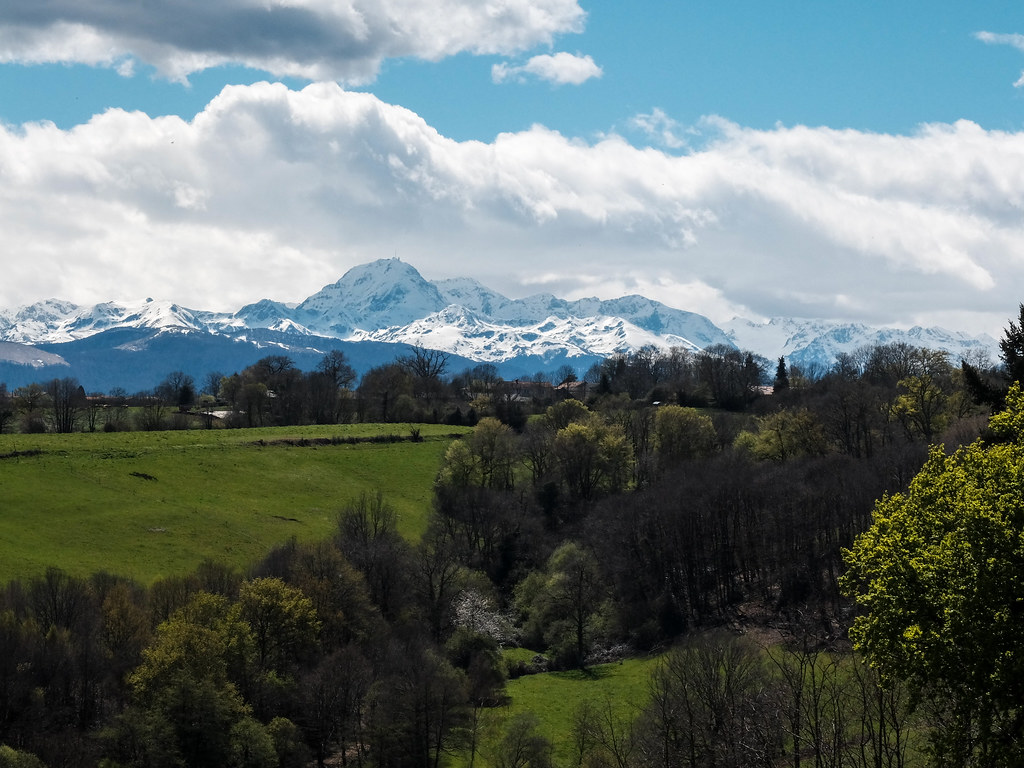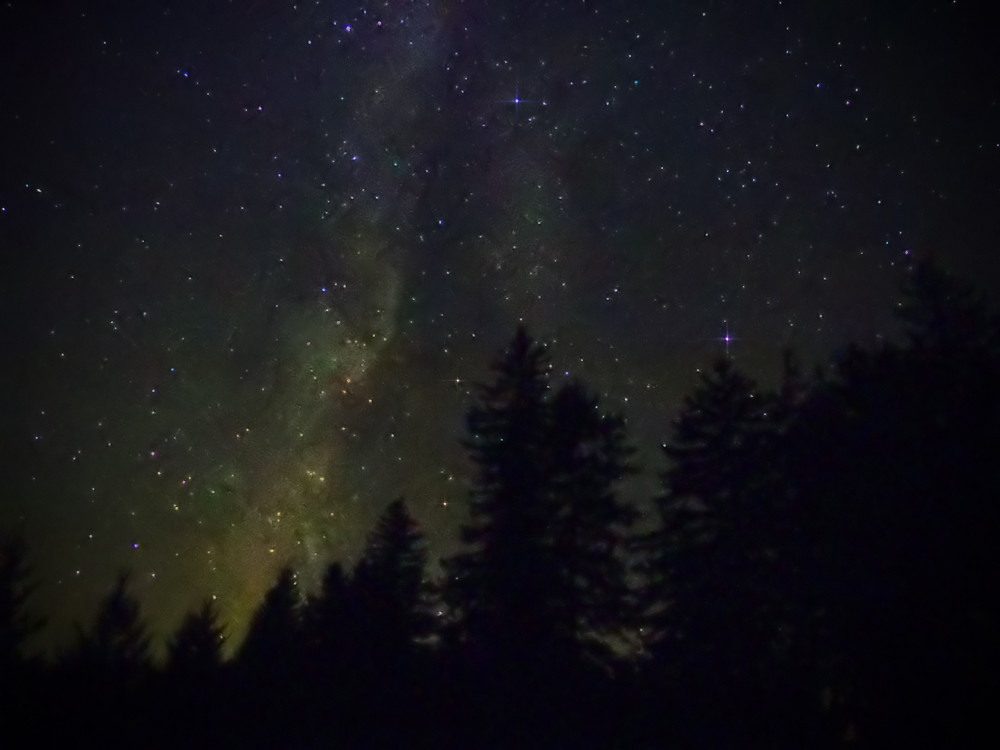
There is a turnout on the Mogollon Rim in Arizona, off Forest Service Road 300, at an elevation of roughly 7,600 feet, where the western horizon drops away into the Tonto Basin and the sky is dark to magnitude 21.7 per square arcsecond at zenith on a moonless night. The turnout is not signed. It is used mostly by hunters in the fall and by amateur astronomers in March.
Pamela Ortiz, a chemistry professor at Northern Arizona University in Flagstaff, drove the ninety minutes east to the turnout on nine evenings in March 2026 to observe the zodiacal light.
The zodiacal light is sunlight scattered from interplanetary dust along the plane of the Solar System. It appears as a faint cone of light extending from the position of the Sun, brightest near the horizon and tapering upward along the ecliptic. From a sufficiently dark site, it can be brighter than the Milky Way.
March, in the northern hemisphere, is one of two periods of the year when the zodiacal light is most easily observed in the evening sky. The ecliptic stands steeply above the western horizon after sunset, presenting the light at the best possible angle. The other window is September, in the pre-dawn east.
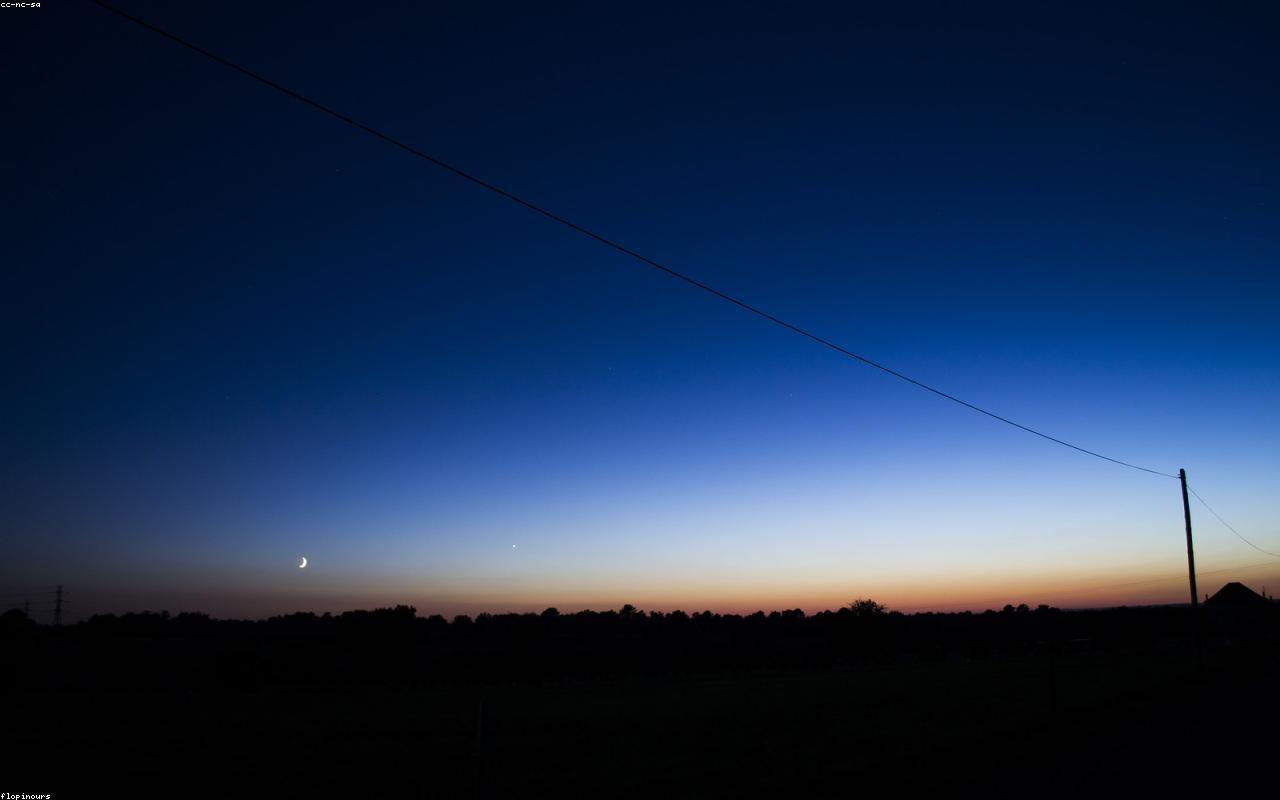
Ortiz arrived at the turnout on the evening of March 7 at 6:42 p.m., about an hour before astronomical twilight ended. The Sun set at 6:15. The western sky still held the warm gradient of sunset.
She set up nothing. She had with her a folding camp chair, a clipboard, a red-filtered headlamp, and a digital thermometer. Her observation plan called for naked-eye notes only.
By 7:35 p.m., when astronomical twilight ended, the zodiacal light was already visible to her dark-adapted eyes as a faint, broad triangular wedge rising from the western horizon through Pisces and Aries and reaching almost to the Pleiades.
She recorded that the wedge was brightest within twenty degrees of the horizon and fainter above, and that it appeared, from her vantage, slightly tilted to the south of vertical. This is the expected geometry for the ecliptic in March from a mid-northern latitude.
The colour, she noted, was pale white with no hint of warmth. The zodiacal light is sometimes described as having a yellow or rose tint in photographs. To the naked eye, in her experience, it is white.
She returned on March 9, 12, 14, 17, 19, 21, 24, and 27. Each evening she recorded the time at which the zodiacal light first became apparent, the highest point on the ecliptic to which she could trace it, and any obstructions from cloud or haze.
The variation across the nine nights was instructive. On March 7 and 9 the light was clear and traceable to about fifty degrees above the horizon. On March 12 a thin cirrus haze reduced it to roughly thirty-five degrees. On March 14 the light was excellent and she traced it through the Pleiades and possibly into Taurus.
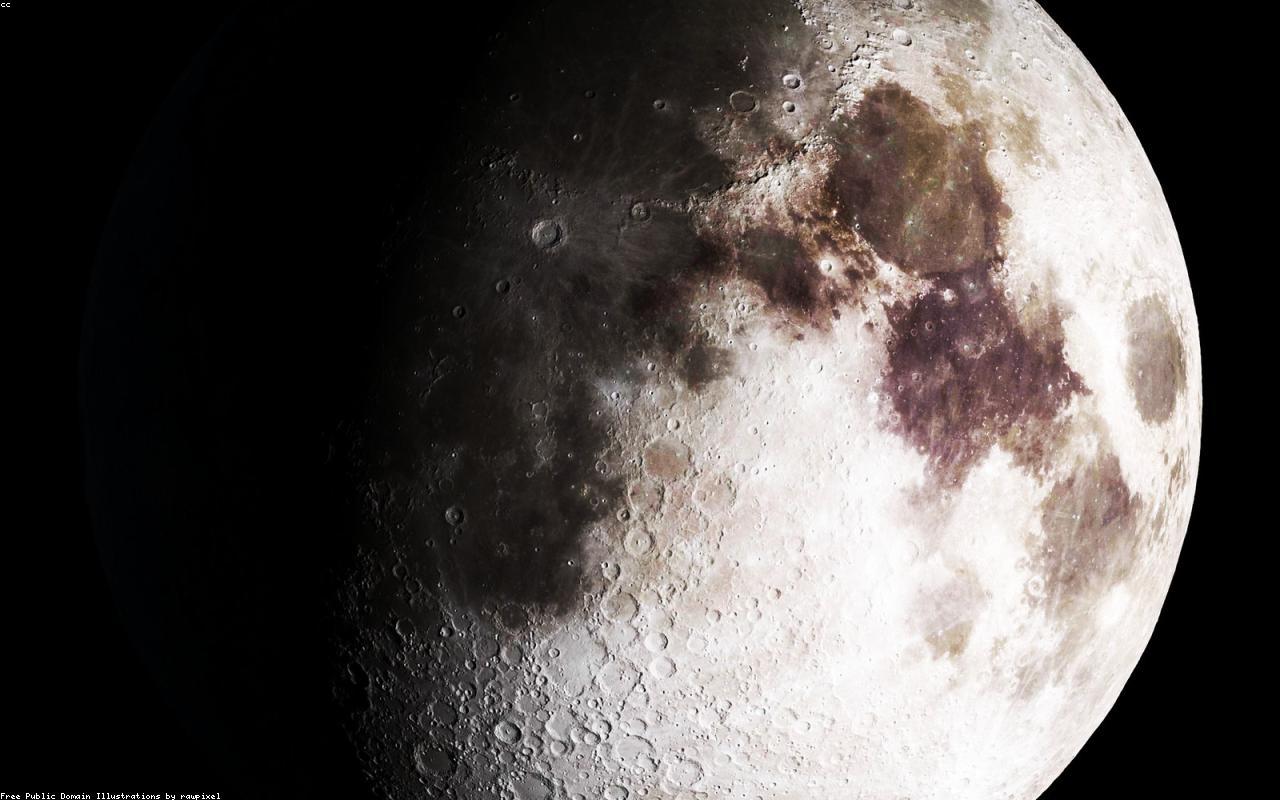
On March 17 there was a quarter Moon in the southern sky, and the zodiacal light was effectively invisible. She abandoned the session and watched Mars instead.
On March 19 the Moon set at 9:05 p.m. and the zodiacal light became visible by 9:20, low but clear.
On March 21, the spring equinox, the light was at its best of the month. She traced it from the horizon through the Pleiades, through the Hyades, and into a faint hint near Auriga, a span of roughly seventy degrees along the ecliptic.
March 24 brought clouds. March 27 was clear but smoky from a controlled burn somewhere to the west, and the lower portion of the light was lost in the haze.
Ortiz writes in her observing notebook that the zodiacal light is, for the amateur, one of the rarest naked-eye objects in the sky in the sense that it requires a genuinely dark site to be seen at all. From any suburban location it is invisible. From most rural locations it is barely traceable. From the Mogollon Rim in March, on a clear moonless night, it is a major feature of the sky.
She also notes that what she is seeing is, literally, dust. The particles are between roughly one micrometre and a hundred micrometres across, drifting in the plane of the Solar System, lit by the Sun. They are the slow rain of comets and the grinding of asteroids, accumulated over the age of the planets.
The dust is constantly being lost, swept into the Sun or blown outward by radiation pressure, and constantly being replenished by new comet passages and new asteroid collisions. The zodiacal light is the visible signature of an ongoing process.
Ortiz logged a total of forty-two observable hours across the nine evenings, of which roughly six produced clear naked-eye views of the light at its best.
She intends, she says, to return in September for the pre-dawn observations. The geometry then is the mirror image: the cone of light rises in the east before sunrise. The same dust, the same scattering, the same physics, seen from the other side of the night.
What the zodiacal light gives the observer who travels to see it is a particular kind of perspective. The Solar System is not a vacuum with planets in it. It is a vast disk of material in slow motion, of which we are part, and on certain nights of the year, from certain places, we can see the rest of it directly.